

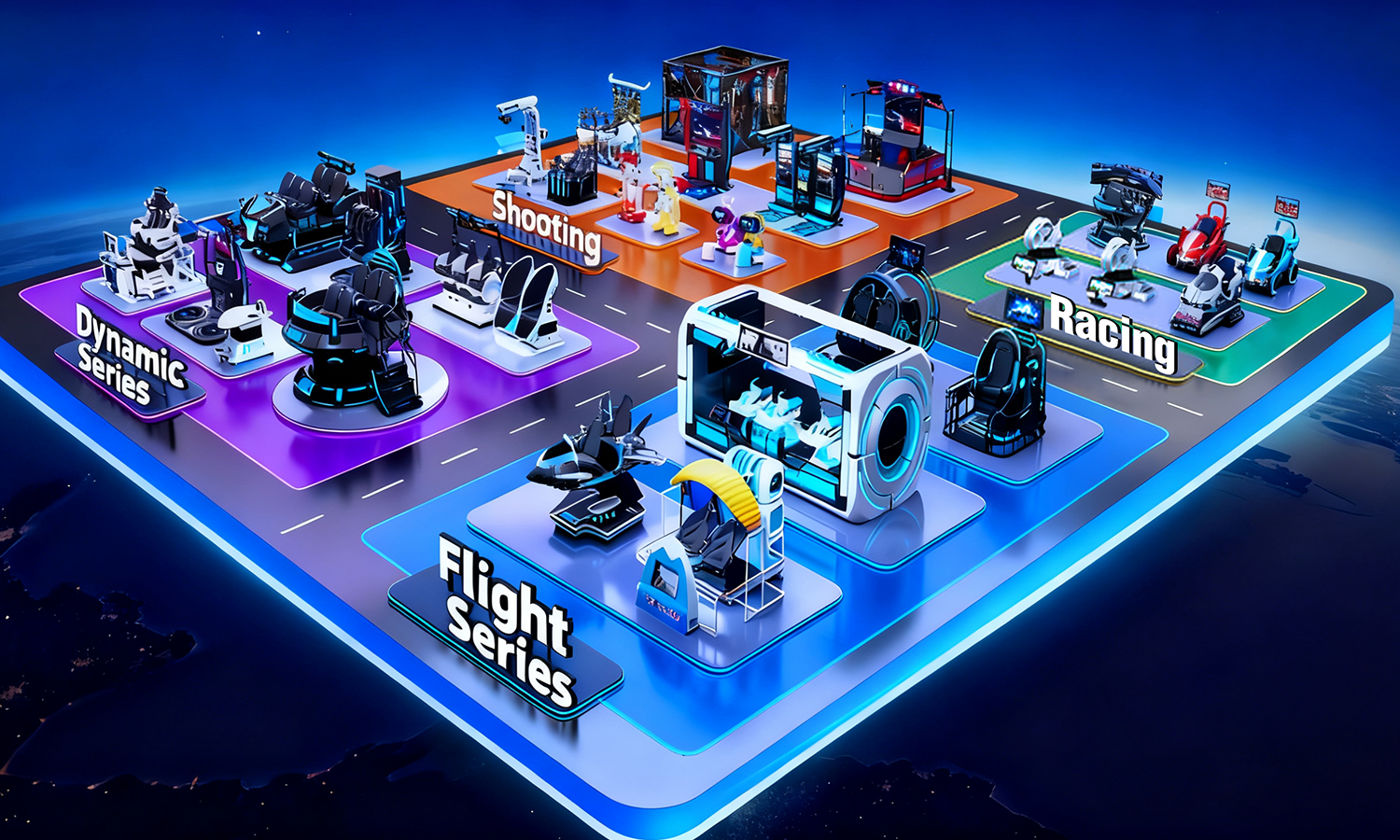
The global VR theme park market is booming, with a projected CAGR of 28.3% from 2024 to 2030, according to Grand View Research. As immersive technology becomes more accessible and consumer demand for unique experiences grows, planning a VR theme park isn’t just a creative endeavor—it’s a strategic business opportunity. But unlike traditional amusement parks, VR theme parks require a blend of cutting-edge tech, user-centric design, and sharp business acumen. In this guide, we’ll break down the essential steps to plan a VR theme park that stands out, attracts visitors, and drives long-term profitability.
1. Start with Market Research to Define Your Niche
Before investing in headsets or designing virtual worlds, you need to understand who your audience is and what gaps exist in the market. Conduct thorough market research to answer key questions:
- Target Demographics: Are you catering to families with young kids, teens and young adults, or corporate teams seeking team-building activities? Families may prefer kid-friendly, low-intensity VR experiences (e.g., cartoon-themed adventures), while teens might crave high-octane games like VR rollercoasters or competitive multiplayer battles.
- Local Competition: What VR attractions already exist in your area? Do they focus on arcade-style games, or do they offer full-scale immersive environments? Identify their weaknesses—e.g., outdated tech, limited content—and use that to differentiate your park.
- Trends in VR Entertainment: What’s driving demand right now? Hyper-realistic graphics, haptic feedback (which lets users “feel” virtual objects), and social VR experiences (where groups can interact in the same virtual space) are all top priorities for 2025.
Example: If your city has a small VR arcade with basic games, you could fill a gap by creating a family-focused VR theme park with interactive storytelling experiences and shared virtual adventures that parents and kids can enjoy together.
2. Set Clear Business Goals and Budget
A VR theme park is a significant investment—costs can range from $500,000 for a small, boutique park to over $5 million for a large-scale attraction. Setting clear business goals will help you allocate your budget wisely. Ask yourself:
- Short-term goals: Do you want to break even within 18 months? Attract 50,000 visitors in the first year?
- Long-term goals: Will you expand to multiple locations? Partner with IPs (e.g., Disney, Marvel) for exclusive VR content? Offer franchise opportunities?
Key budget line items to prioritize:
- VR Hardware: High-quality headsets (e.g., Meta Quest 3 Pro, Pico 5), haptic suits, motion-tracking sensors, and powerful PCs to run the software.
- Content Development: Custom VR experiences (the most expensive but most differentiating option) or licensing existing content from reputable developers.
- Physical Space: Rent or purchase a location with high ceilings and open areas (to avoid collisions) and build themed “pods” or zones for different VR experiences.
- Staff Training: Employees need to teach visitors how to use VR equipment, troubleshoot tech issues, and ensure safety.
3. Prioritize Safety—The Foundation of Trust
VR can cause motion sickness in some users, and physical collisions are a risk if spaces aren’t designed properly. Safety should be at the forefront of your planning to protect visitors and avoid liability. Here’s how:
- Design Safe Physical Spaces: Use soft padding on walls, install motion sensors that pause the VR experience if a user gets too close to a barrier, and mark clear boundaries for each VR zone.
- Offer Tiered Experiences: Label experiences by intensity (e.g., “Beginner-Friendly” vs. “High Motion”) and provide warnings for users with health conditions (e.g., heart problems, vertigo).
- Train Staff for Emergencies: Ensure employees can quickly remove headsets, assist users who feel unwell, and resolve tech malfunctions (e.g., overheating equipment) safely.
Pro Tip: Conduct regular safety audits and gather feedback from visitors to identify and fix potential hazards.

4. Invest in High-Quality, Diverse VR Content
Content is the heart of any VR theme park—visitors will return if they have new experiences to try. Avoid the mistake of relying on generic, off-the-shelf games; instead, focus on diversity and exclusivity.
- Mix Experience Types: Offer a range of VR experiences to appeal to different tastes: Thrill Rides: Virtual rollercoasters, skydiving, or space missions with realistic motion feedback.
- Story-Driven Adventures: Narrative experiences where users become part of a movie or book (e.g., “Solve a Mystery in a 1920s Speakeasy” or “Explore a Magical Forest”).
- Social and Competitive Games: Multiplayer experiences like VR laser tag, team-based quests, or virtual sports (e.g., basketball, soccer).
Refresh Content Regularly: Update your lineup every 3–6 months to keep visitors coming back. Partner with independent VR developers or IP holders for exclusive content—this will also help with marketing (e.g., “Exclusive Marvel VR Experience Only Here”).
5. Choose the Right Location and Layout
Your location will determine your foot traffic and operating costs. Look for areas with high visibility and accessibility:
- Prime Locations: Malls, tourist districts, or near family-friendly attractions (e.g., zoos, museums) are ideal. Avoid areas with high rent unless the foot traffic justifies it.
- Layout Tips: Flow: Design a layout that guides visitors from the entrance to the ticketing area, then to a “VR Orientation Zone” (where they learn to use the equipment) and finally to the experience zones.
- Themed Zones: Group similar experiences together (e.g., “Thrill Zone,” “Family Zone”) to make it easy for visitors to navigate. Use physical decor to complement the virtual experiences—e.g., a space-themed backdrop for VR space missions.
- Rest Areas: Include seating areas for users who need a break from VR (motion sickness is common!) and for accompanying friends/family who aren’t participating.
6. Build a Strong Brand and Online Presence (Critical for SEO)
To attract visitors, you need a brand that resonates and an online presence that makes you easy to find. For SEO, focus on keywords like “VR theme park [Your City],” “best VR experiences for families,” and “immersive VR attractions.”
- Brand Identity: Create a memorable name, logo, and tagline that reflect your niche. For example, if you’re family-focused, use bright colors and playful imagery; if you’re targeting thrill-seekers, go for bold, futuristic designs.
- Website Optimization: Include detailed pages about your experiences, pricing, location, and safety measures.
- Add a blog with content like “5 Reasons VR Theme Parks Are the Next Big Family Activity” or “How VR Technology Creates Hyper-Realistic Experiences”—this will boost your SEO and position you as an expert.
- Optimize for mobile: 60% of visitors will find your park via their phones, so ensure your website loads quickly and is easy to navigate on small screens.
Social Media: Post short clips of your VR experiences on TikTok, Instagram Reels, and YouTube—visual content is key to showcasing how immersive your park is. Encourage visitors to share their own videos with a branded hashtag (e.g., #VRAdventurePark).
The Future of VR Theme Parks
Planning a VR theme park requires a mix of creativity, tech savvy, and business sense—but the payoff is huge. As VR technology becomes more advanced (think full-body haptics and AI-generated content), the possibilities for immersive experiences are endless. By focusing on your audience, prioritizing safety and content, and building a strong online presence, you’ll create a VR theme park that stands the test of time.
Ready to turn your VR theme park idea into reality? Start with market research, set a clear budget, and don’t be afraid to iterate based on feedback. The world of immersive entertainment is waiting—and your park could be the next big thing.
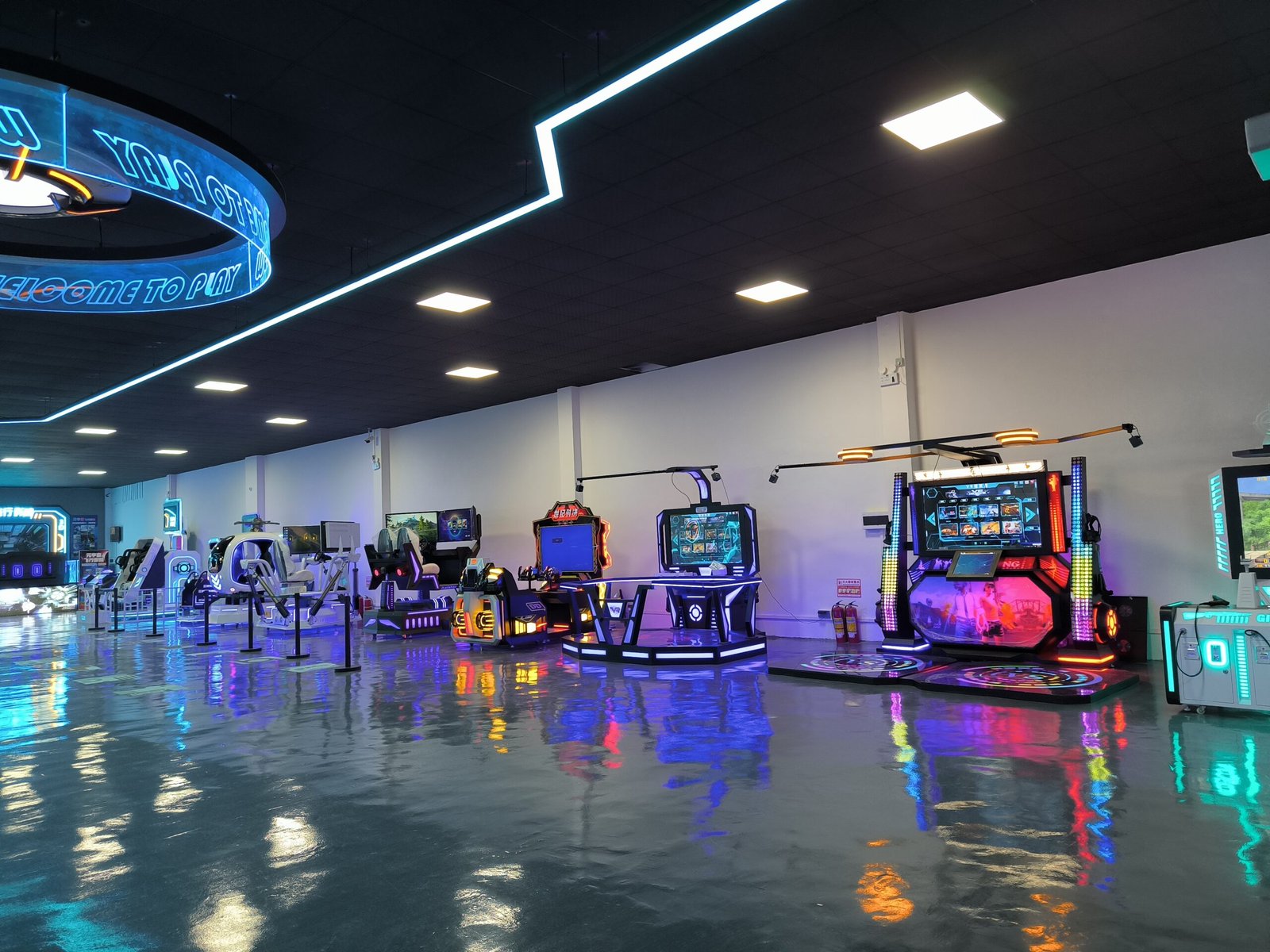
How to Plan a VR Theme Park
VR Theme Park