

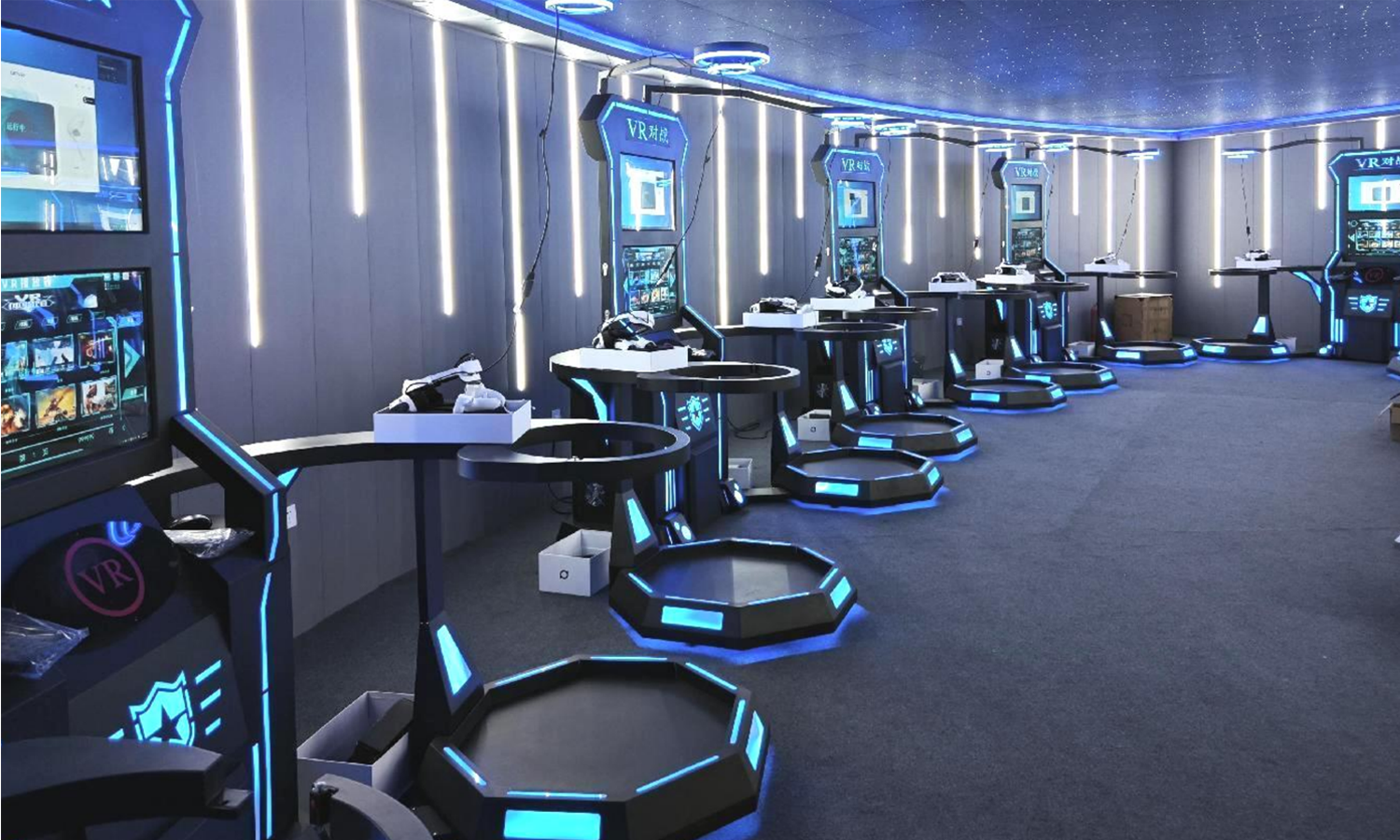
The VR arcade industry is thriving, with global revenue expected to hit $7.8 billion by 2027, per Statista. For arcade owners, entrepreneurs, or even venue managers looking to add VR attractions, one critical decision stands out: choosing between single-player and multiplayer VR arcade machines. The right pick isn’t just about “what’s popular”—it’s about aligning with your target audience, space, budget, and long-term revenue goals. In this guide, we’ll break down the key factors to consider, compare single vs. multiplayer VR setups, and help you make a choice that drives foot traffic and profits.
First: Understand Your Core Goals and Audience
Before diving into hardware specs, start with the basics:who are your customers, and what do you want to achieve? Your answers will immediately narrow down your options. Ask yourself these questions:
- Target Demographics: Are you catering to solo gamers, couples, groups of friends, families, or corporate team-building groups? Teens and young adults might favor competitive multiplayer, while busy professionals or casual visitors may prefer quick single-player experiences.
- Venue Type: Is this for a standalone VR arcade, a mall kiosk, a bowling alley, or a family entertainment center (FEC)? A compact kiosk may lean into single-player, while a large FEC needs multiplayer to accommodate groups.
- Revenue Priorities: Do you want high per-minute rates (single-player) or higher overall throughput (multiplayer, which serves more people at once)?
- Brand Vibe: Are you going for a “quick-fun” spot or a “social hangout” destination? Multiplayer machines boost social sharing (think TikTok clips of groups competing), while single-player can highlight immersive storytelling.
Pro Tip: Survey local VR Arcade Machines-goers or check reviews of nearby venues. If comments like “wish we could play together” pop up, multiplayer is a gap to fill. If “too crowded” is common, single-player could be your niche.
此区块的副标题
VR Arcade Machines
此区块的文本
Single-Player VR Arcade Machines: Pros, Cons, and Ideal Use Cases
Single-player VR machines are designed for individual use, often focusing on deep immersion, storytelling, or skill-based challenges. They range from compact “pods” (like the VR Zone NeoBuzz) to full-motion setups (such as the D-Box VR chairs).
Key Advantages of Single-Player VR Arcade Machines
- Space-Efficient: Most single-player setups require just 4×4 meters of space—perfect for small venues, mall kiosks, or adding VR to existing arcades without major renovations. This lowers your rental and layout costs.
- Lower Upfront Costs: Single-player machines typically cost $5,000–$15,000, compared to $15,000–$40,000 for multiplayer setups. They’re a budget-friendly entry point for new VR arcade owners.
- Immersive Depth: Single-player experiences prioritize storytelling and personal connection—think “escape room in VR” or “sci-fi adventure where you’re the hero.” These experiences keep players engaged longer (10–15 minutes per session) and often command higher per-session prices ($10–$20).
- Flexible Scheduling: No need to wait for a group—players can jump in immediately. This reduces wait times, improves customer satisfaction, and keeps your machines running at higher utilization rates during off-peak hours.
Drawbacks of Single-Player VR Arcade Machines
- Limited Social Appeal: Single-player VR Arcade Machines setups don’t encourage group visits or social sharing—critical for organic marketing in 2025. Players are less likely to post about their experience if it’s not a group activity.
- Lower Throughput: You’re only serving one customer at a time. During peak hours (weekends, holidays), this can lead to long lines and lost revenue from customers who leave rather than wait.
- Niche Audience: They appeal more to solo gamers or casual visitors, not groups—missing out on high-volume bookings like birthday parties or corporate events.
Ideal For
Small venues (mall kiosks, convenience stores with extra space), new VR arcade startups on a budget, or venues targeting solo gamers, commuters, or casual visitors looking for a quick immersive fix.
Multiplayer VR Arcade Machines: Pros, Cons, and Ideal Use Cases
Multiplayer VR Arcade Machines let 2–8 players interact in the same virtual space, focusing on competition, cooperation, or shared adventures. Examples include team-based VR laser tag (like Hyperdeck), cooperative puzzle games (such as “Escape the Haunted Mansion” for 4 players), or competitive sports (like VR basketball duels).
Key Advantages of Multiplayer VR Arcade Machines
- Higher Revenue Throughput: Serving 2–8 players per session means more money per minute. A 4-player machine charging $15 per person per 15 minutes generates $60 per session—vs. $20 for a single-player machine in the same time frame.
- Social and Viral Potential: Group experiences are made for social media. Players snap photos, record clips of their team winning (or laughing at a mishap), and share with hashtags like #VRArcadeFun. This free marketing drives new customers and builds brand awareness.
- Appeals to Groups (and High-Value Bookings): Birthdays, bachelor parties, corporate team-building events—these high-volume bookings prioritize multiplayer setups. A single corporate booking for 20 people can generate $500+ in one hour.
- Repeat Visits: Groups often return to try new multiplayer experiences or challenge other teams. Loyalty is stronger when the experience is tied to social gatherings.
Drawbacks of Multiplayer VR Arcade Machines
- Requires More Space: A 4-player setup needs 8×8 meters (minimum) to avoid collisions, and 8-player setups may need 12×12 meters. This limits options for small venues and increases rental costs.
- Higher Upfront and Maintenance Costs: Multiplayer machines cost $15,000–$40,000, plus you’ll need extra headsets, motion trackers, and powerful servers to sync gameplay. Maintenance is also more complex—if one headset malfunctions, the entire session is disrupted.
- Wait Times for Groups: If a machine is designed for 4 players but only 2 people want to play, you may need to wait for more players to join (or offer a discounted rate for smaller groups), which can frustrate customers.
Ideal For
Large family entertainment centers (FECs), standalone VR arcades, bowling alleys, or venues in tourist districts—anywhere groups gather. They’re also perfect for owners looking to target high-value bookings like corporate events or birthday parties.
Final Decision: Single VR Arcade Machines, Multiplayer VR Arcade Machines, or Hybrid VR Arcade Machines?
There’s no “one-size-fits-all” answer, but here’s a quick cheat sheet:
- Choose Single-Player If: You have limited space/budget, target solo visitors, or run a small kiosk.
- Choose Multiplayer If: You have large space, target groups/events, or want to build a social brand.
- Choose Hybrid If: You want to maximize audience coverage and revenue—this is the most versatile option for most venues in 2025.
Remember: The best VR arcade machines aren’t just about hardware—they’re about matching the right experience to your customers. Test the waters with a focus group (invite local gamers or families to try demo machines) before making a final purchase. With the right setup, your VR arcade will become a go-to destination for immersive fun.